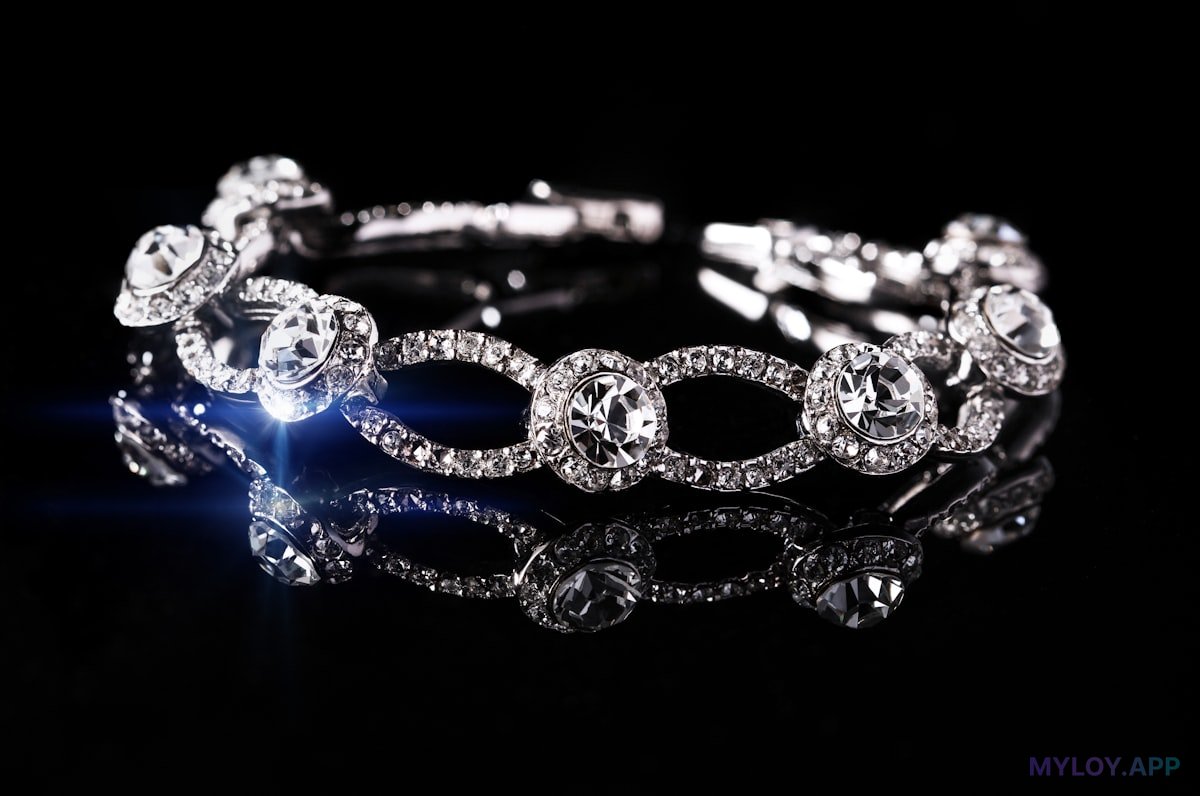
The Specifics of Jewelry Retail
A jewelry store isn't a coffee shop. Customers come 2-5 times per year: birthdays, anniversaries, holidays, sometimes just to treat themselves. Average ticket — €150-750. One customer can spend €1,000-2,500 per year.
At these numbers, even 3% cashback is meaningful. A €750 purchase = €22.50 in points. After 3 purchases — €67.50 toward their next piece. That's real motivation.
Which Model Works
Tiered Bonus Program
Tiers make sense in jewelry — they create a sense of exclusivity:
- Silver — 3% cashback (all new customers)
- Gold (from €1,500/year) — 5% + early access to new collections
- Platinum (from €5,000) — 7% + personal consultant + free cleaning service
Tier names should resonate with the product. Silver/Gold/Platinum for jewelry — it's organic.
Referral Bonuses
Jewelry is a trust business. A friend's recommendation outweighs any advertising. Referral program: "Bring a friend — you both get €25 in points" works more effectively here than in other niches.
Communication: Less Frequent, More Targeted
You can't push a jewelry customer weekly — it's annoying. The right frequency is 1-2 times per month:
- 2 weeks before partner's birthday: "Don't forget about the gift! Your bonus: €25 toward a piece" — requires a "partner's birthday" field at signup
- New collection: once per season, personalized to preferences
- Purchase anniversary: "A year ago you chose a ring. Treat yourself to something new with 10% off"
- Balance reminder: when they have enough for a purchase
Digital Card for Jewelry
Apple/Google Wallet is perfect here. A card with gold design, customer name, tier, and balance. Looks premium, always accessible. Won't get lost like plastic.
QR code on receipts or business cards. Registration in 30 seconds — name, phone, birthday. Done.
Anti-Fraud in Jewelry
With large tickets, anti-fraud isn't paranoia — it's a necessity. Watch for:
- Unusually frequent purchases from one account
- Multiple returns with earned points still intact
- Points used immediately after a large earning
Automated monitoring alerts the owner about suspicious activity.
ROI for Jewelry Stores
One returning customer with a €400 average ticket pays for the entire program for a year. A database of 500 customers where 20% make a repeat purchase thanks to bonuses — that's 80 extra sales per year. At €400 per ticket = €32,000 in additional revenue.
Program cost — from €25/month. The math speaks for itself.
How to Start
A jewelry store can launch a program in one week:
- Define tiers and cashback percentages
- Design a Wallet card in your brand style
- Train sales staff to offer registration after purchase
- Set up automatic birthday greetings
First results in 2-3 months, when customers start coming back for their second purchase.